20 Film Frames Decoded: Lighting & Camera Moves For AI Ad Films
Everyone has now seen an AI ad film that looked like it came out of an agency, and everyone has made one that looked like a screensaver. Same tool, same subscription, completely different output.
The gap is not the model. The gap is the brief.
Type "cinematic shot of a man walking, moody lighting, 4K" and you have made zero decisions. So the model makes them for you, and it makes the most average version of every one. Average light direction, average lens, average grade, average camera move. Average looks like stock footage.
A cinematographer standing on set makes roughly fifteen decisions before a single frame is exposed. Where the key sits. How hard it is. What the contrast ratio is. Which sources are practical and which are rigged. Focal length. Camera height. What is allowed to fall into black. Which single colour survives the grade.
Those decisions are what your prompt is missing. Not resolution.
The useful part is that they already exist in public, in every film ever shot. You only have to read them off the frame and put them into words.
Three free sites that do most of the work
None of these need a login, a trial or a credit card. Between them they cover reference, decode and movement.
1. Directors' Library
Campaign frames and behind-the-scenes material from brands like Nike, free to browse at directorslibrary.com. Not a mood board of vague inspiration — actual reference from actual commercial work. This is where you go when a client says "make it feel premium" and you need to know what premium physically looks like on set.
2. Film Grab
High-resolution stills from thousands of films, organised by title, at film-grab.com. Free. Screenshot the frame you love, then get Claude or ChatGPT to decode the lighting for you — the prompt for that is near the bottom of this post.
3. Mograph Encyclopedia
Every camera movement, named, with a preview, at jontirudd.com/mograph. This is the one people skip, and it is the one that separates a good AI video from a sloppy one. If you cannot name the move, the model picks a random drift for you — and a random drift is what makes a clip read as AI at a glance.
The four things you actually have to specify
For every reference frame, pull exactly four things. Nothing more.
- Light — where it comes from, hard or soft, and what is allowed to fall into darkness.
- Palette — three colours maximum. Usually two, plus one accent that survives.
- Grade — the film stock or the contrast behaviour. "Portra warmth", "crushed blacks", "flat documentary".
- Move — one named camera movement. One.
That last one is where most people break it. AI video models are still bad at compound moves. A push-in that becomes an arc that becomes a tilt will collapse into mush every time.
One move, three to five seconds, then cut. That is the whole discipline. Every AI film you have seen that looked expensive was short shots edited together, not one long take.
How to run this on a live brief
- Decide the light situation your script needs before you look at anything: hard sun, flat grey, one window, one bulb, sodium night, neon, or void.
- Pick the matching frame from the twenty below, or pull your own from Film Grab and run the decode prompt on it.
- Swap your subject into the prompt line and leave every light, palette and grade instruction untouched. Changing two things at once means you learn nothing from the result.
- Generate the still first. Approve the still. Only then animate it — image-to-video gives you far more control than text-to-video, and it is cheaper to iterate.
- Add the camera move at the video stage, one per shot, named exactly as the Mograph Encyclopedia names it.
The 20 frames
Each one gives you a light situation, a three-colour palette, a camera move that suits it, and a prompt line you can paste and drop your own subject into. They are ordered roughly from daylight to darkness, so you can jump straight to the situation your brief needs.
Frames referenced via film-grab.com. All credit to the directors and cinematographers named. The point is to study the decisions, not to lift the images.
01. Shoot straight into the sun — American Honey (2016), DP Robbie Ryan
Low sun sits directly behind the subject's head. It rims the hair hard and blooms into a full lens flare. The fill is whatever bounces back off the pavement, roughly two stops under the rim, so it is warm but weak. Portra-style warmth, halation in the flare, highlights that glow rather than clip.
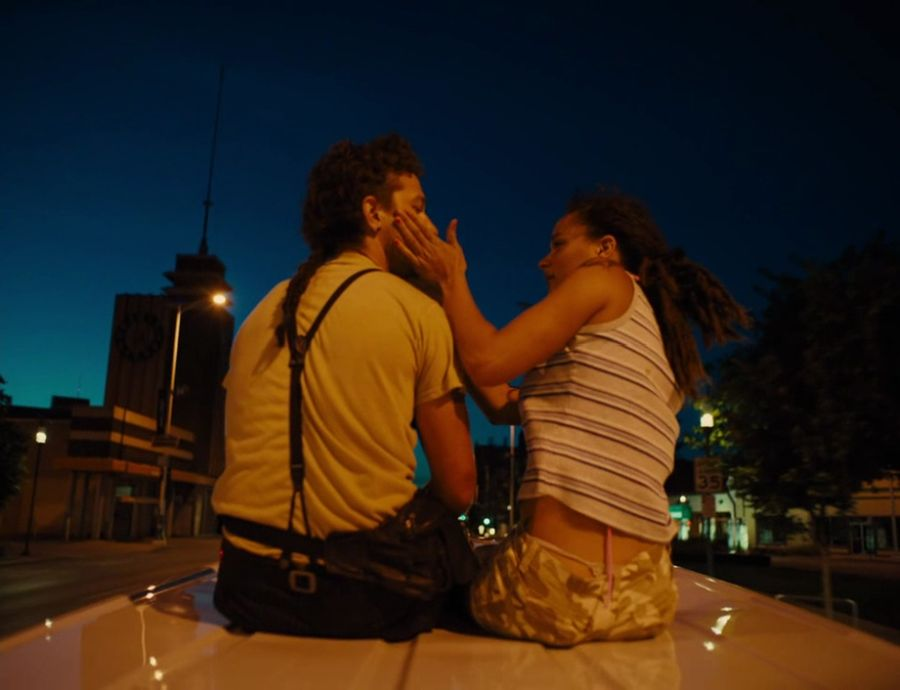
Palette: #CEB680 #70583D #4D3E2A
Camera move: Handheld follow, slightly behind the subject, sun weaving in and out of frame.
Golden-hour sun directly behind the subject's head, hard rim light on the hair, full lens flare blooming across the frame, exposed for the cheek so everything else runs golden, 35mm film, visible halation, handheld follow.
02. Ten minutes after sunset — Sicario (2015), DP Roger Deakins
The sky is the only light left — ember orange at the horizon climbing into deep blue. Every figure is a pure black cutout against it. The blacks are crushed on purpose while the sky keeps its full gradient. The only thing that has to read is the outline, which is exactly why this shot survives an AI render intact.
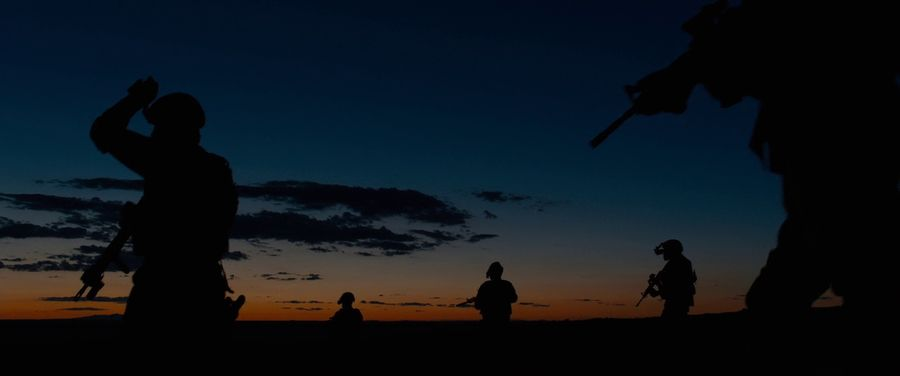
Palette: #021325 #47250F #020203
Camera move: Slow lateral tracking shot, camera parallel to the horizon line.
Figures in profile silhouetted against a post-sunset gradient sky, ember orange at the horizon rising into deep blue, subjects crushed to pure black, clean digital contrast, slow lateral track.
03. Open shade with one loud object — Aftersun (2022), DP Gregory Oke
No direct sun anywhere, just soft sky bounce from one side. All the contrast in the frame is paint rather than light — one saturated red object against washed-out wardrobe. Sun-faded warmth, reds gone slightly sour, soft blacks. This is the cheapest good-looking daylight setup that exists, and the one to reach for on an Indian afternoon when the sun is brutal and you cannot fight it.
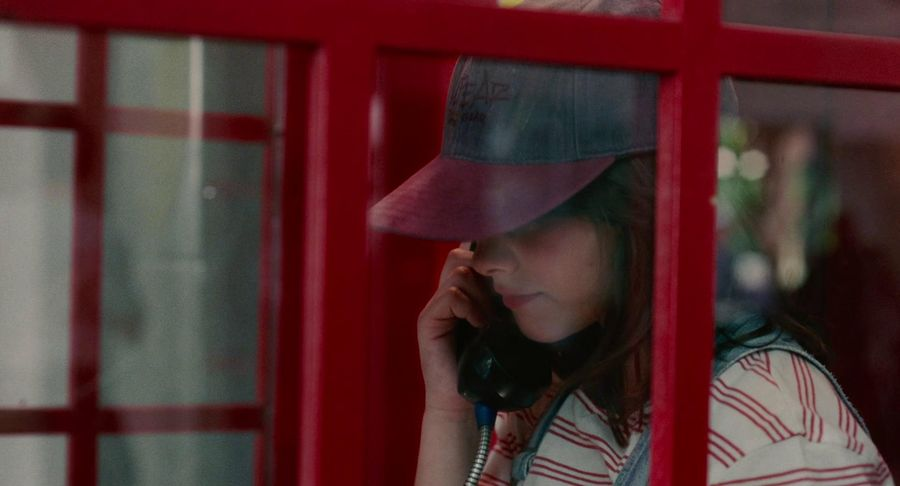
Palette: #64050E #78746D #483A39
Camera move: Static lock-off. Let the subject move inside a still frame.
Open shade, no direct sunlight, soft sky bounce from the left, one saturated red painted object in frame carrying all the contrast, washed pastel wardrobe, faded 35mm holiday grade, locked-off camera.
04. Flat overcast, loud building — The Florida Project (2017), DP Alexis Zabé
Bright overcast, the entire sky acting as one giant softbox. There are no shadows to hide anything in, so the architecture has to carry the frame instead. A pink building against an overgrown green field, saturation pushed just past polite.
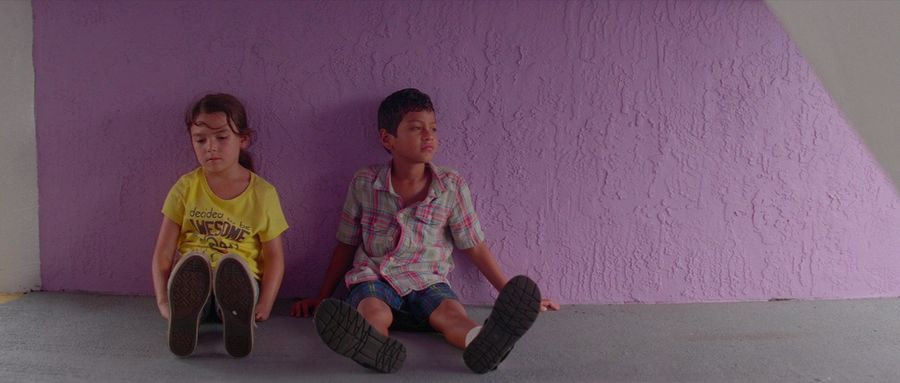
Palette: #C9CDD3 #7F5E62 #4C4F2C
Camera move: Slow push-in, dead centre, one-point perspective.
Flat bright overcast, the entire sky as one softbox, a loud pastel-coloured building dead centre frame, zero shadows anywhere, postcard saturation, slow push-in.
05. The grey north portrait — Fish Tank (2009), DP Robbie Ryan
Overcast top light, slightly ahead of the subject. A soft shadow under the brow and chin, and nothing else. The wall behind reads almost the same tone as the sky. Greys stay grey, skin stays honest — no glow, no smoothing, no glamour. Gentle 35mm grain. Useful whenever the brief needs to feel documentary rather than sold.
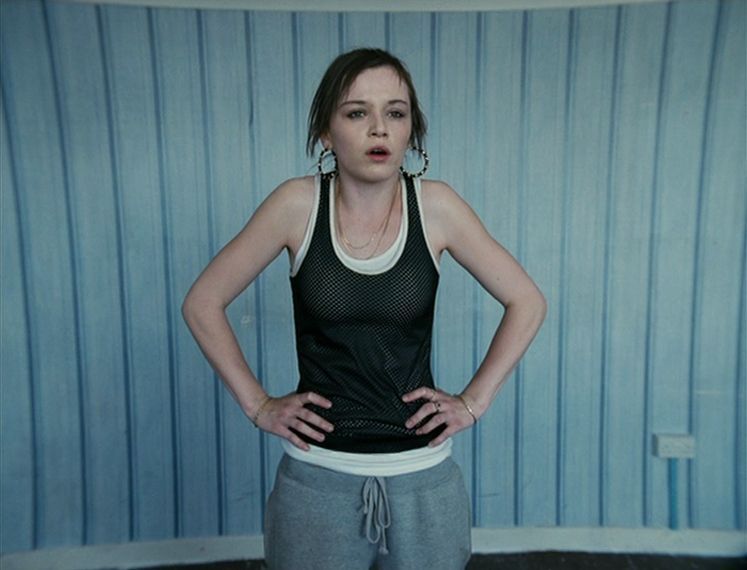
Palette: #829798 #51707D #121B1A
Camera move: Static, eye level, subject square to camera.
Flat overcast top light, subject standing square to camera against a corrugated metal wall, deadpan expression, soft shadow under the brow, cool 35mm grain, greys kept grey, no glamour lighting.
06. Two flat light systems meeting — This Is England (2006), DP Danny Cohen
Overcast daylight down an open shopping precinct, with strip fluorescents burning under the walkway canopy. Two light systems, both flat, meeting at the shop line. Desaturated grade — the shutters and doors supply all the colour. Reach for this whenever your location is ugly and you need ugly to look intentional.
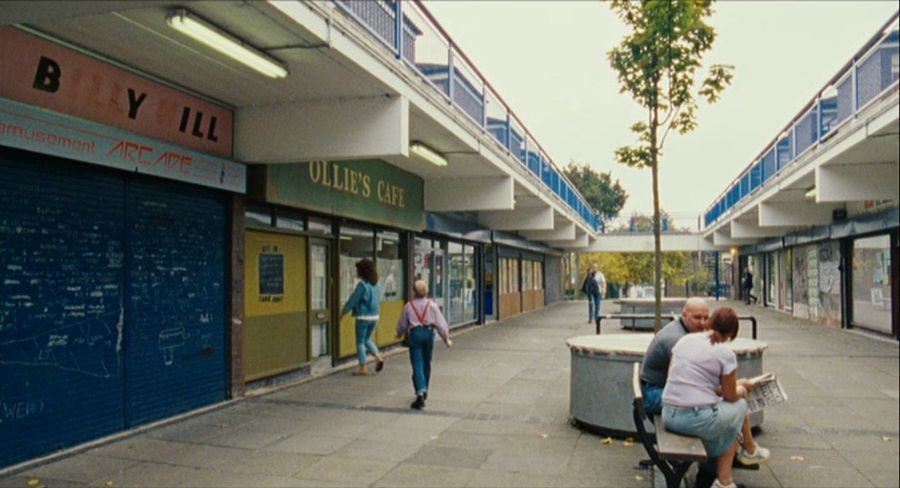
Palette: #9F9A8B #4B493A #0B1F2C
Camera move: Slow dolly down the walkway, following the perspective lines.
Shuttered high-street precinct under flat overcast daylight with overhead strip fluorescents on, desaturated 16mm-feeling grade, teal and mustard shopfronts supplying the palette, slow dolly down the walkway.
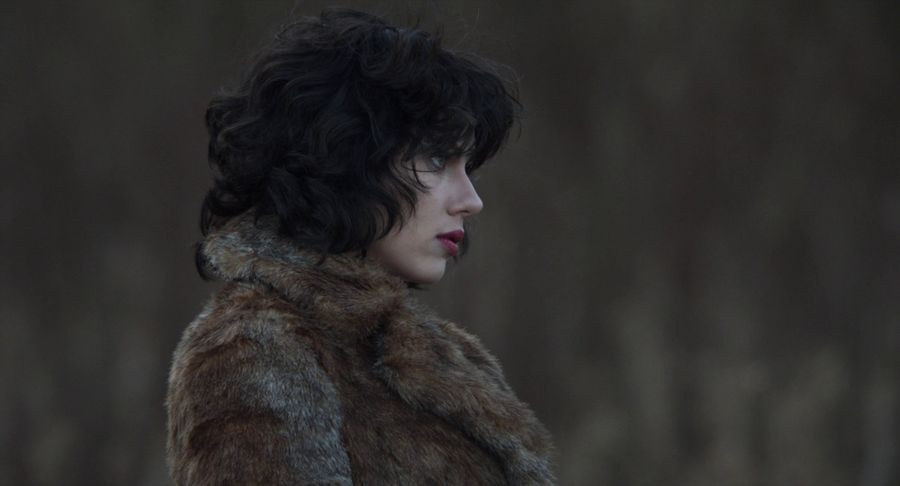
07. Shadowless grey, one red — Under the Skin (2013), DP Daniel Landin
Cold damp daylight arriving from everywhere and nowhere. No shadows at all. Dark fur soaks up the light, pale skin holds it, and a red lip is the only saturated thing in the frame. Graded a breath away from monochrome with exactly one colour left alive. The one-accent rule is the most transferable idea on this list — it works on product, fashion and interiors equally.
Palette: #494645 #33312F #0E0F13
Camera move: Slow drift-in, almost imperceptible, no cut.
Shadowless cold grey daylight, dark fur collar framing pale skin, exactly one saturated red accent, every other colour desaturated to near-monochrome, slow imperceptible drift-in.
08. One tall window — Portrait of a Lady on Fire (2019), DP Claire Mathon
A single tall window off frame-left, soft and slightly ahead of the face, modelling it in long quiet gradients. Cool fill bounces back from the room itself. No sparkle, no catchlight tricks, no rim. This is the light every client is imagining when they say "natural", and it is one line to describe.
Palette: #3D595D #8D8D83 #172223
Camera move: Static, or the slowest possible pedestal up.
Single tall window as the only key, positioned just left of camera and slightly ahead of the subject, soft cool fill bouncing off the room, oil-painting gradients across the face, zero sparkle, static frame.
09. Window as key and background — The Master (2012), DP Mihai Malaimare Jr.
A bay window with sheer curtains, blasting soft daylight around a seated profile. Expose for the curtains and the whole room drops to near-black. The window is doing two jobs at once — it is the source and it is the set. 65mm density: creamy highlights, walnut-dark room, skin barely rescued out of shadow.
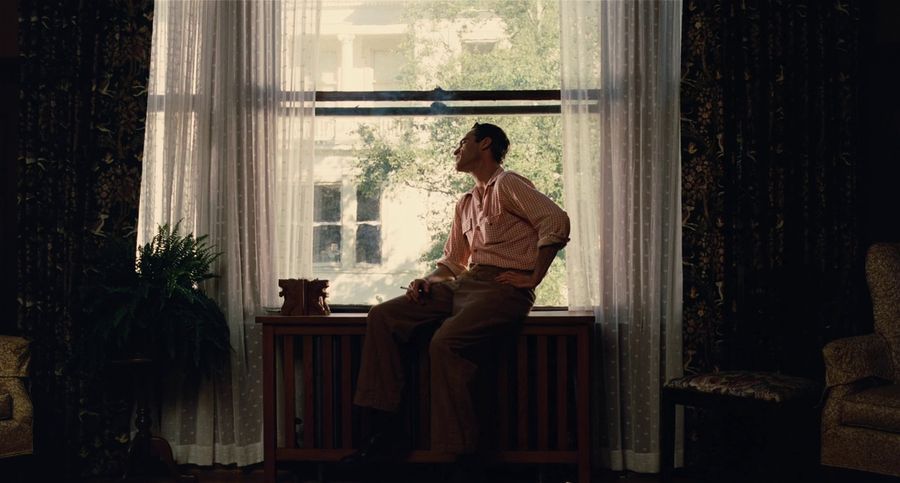
Palette: #D2C6A7 #584C42 #0A090D
Camera move: None. Static wide, then cut to a static close.
Subject seated in profile at a sheer-curtained bay window, exposed for the curtains so the room falls to black, creamy blown highlights, skin barely lifted out of shadow, 65mm density, locked-off camera.
10. Ceiling grid as interrogation — Blade Runner 2049 (2017), DP Roger Deakins
A luminous ceiling grid directly overhead. Top light this hard is cruel by geometry — bright forehead and cheekbones, eyes disappearing into shadow under the brow. Bone-white against black, surgical contrast, zero warmth anywhere in the grade.
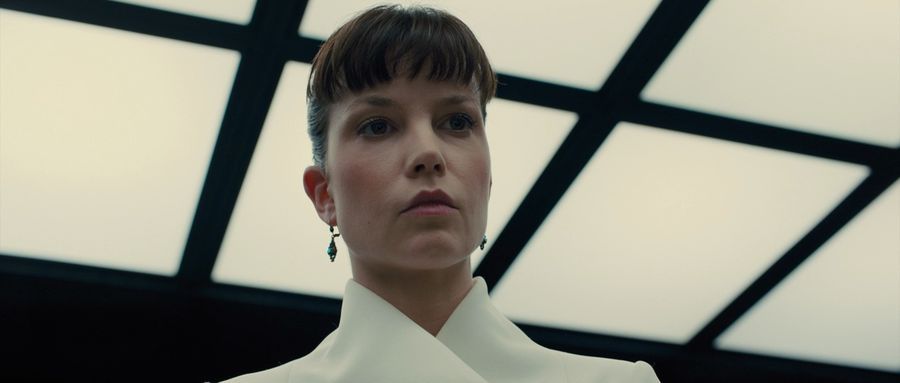
Palette: #D9D5BE #9FA596 #060C10
Camera move: Slow orbit around the subject, grid held overhead throughout.
Luminous white ceiling grid as the only source directly overhead, harsh top light, bright cheekbones with the eyes falling into shadow, white wardrobe against black surroundings, surgical contrast, no warmth, slow orbit.
11. One bulb, ninety percent black — In the Mood for Love (2000), DP Christopher Doyle
A single bare downlight over a decayed alley wall. Hard top spill rakes across wet stained plaster and torn posters. The subject stands just outside the beam, half-swallowed by darkness. Heavy warm grain, blacks like velvet. This is the most controllable look in AI prompting, because you only have to describe one source — everything else is allowed to be nothing.
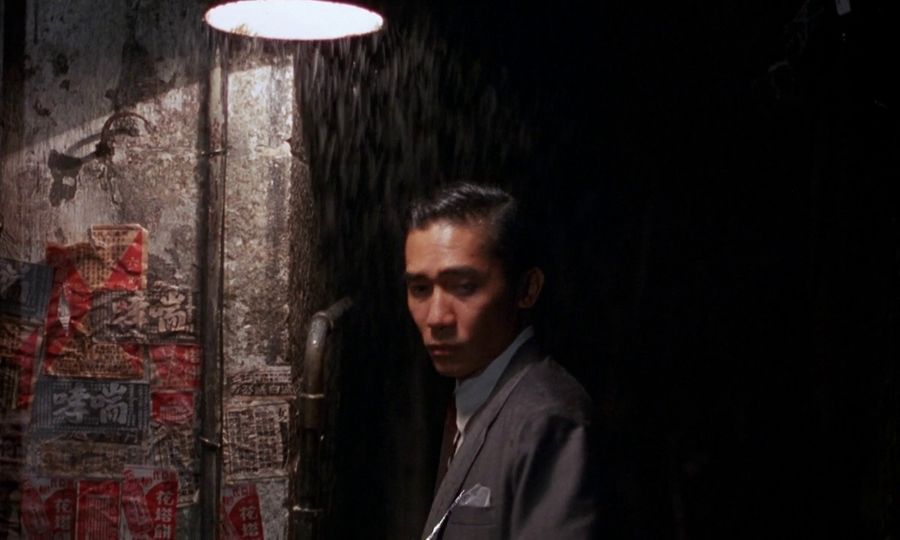
Palette: #A4928D #57403C #060505
Camera move: Static wide. Let the subject step into and out of the beam.
One hard bare downlight above a decayed textured wall, subject standing at the edge of the beam half-swallowed by darkness, ninety percent of the frame falling to black, tungsten warmth, heavy grain, static wide.
12. The lit corridor, nobody in it — In the Mood for Love (2000), DP Christopher Doyle
A corridor of glowing ceiling discs receding into dark red walls, a glossy floor bouncing every lamp back up. The light repeats instead of spreading — pool, gap, pool, gap. Claret and lampglow, gloss held on every surface. If you shoot interiors, property or hospitality, this is the frame to take: empty space made to feel occupied by lighting rhythm alone.
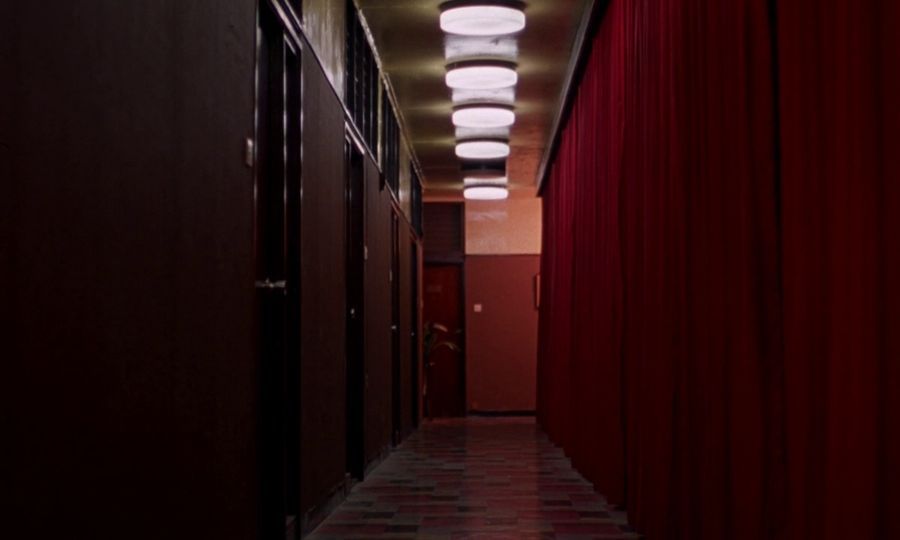
Palette: #C3AAAF #67453E #280001
Camera move: Straight dolly forward down the centre line, one-point perspective.
Deep red corridor lit only by a repeating line of glowing ceiling discs, reflective floor bouncing each lamp, strict one-point perspective, no people in frame, pools of light with dark gaps between them, slow forward dolly.
13. One pool of top light — Buffalo '66 (1998), DP Lance Acord
Hard downlight pooling on a pale-dressed figure in a dark interior. Everything past the pool falls away completely. Dense blacks, chalky skin, colour slightly sickly and fully committed to being sickly. One person, one pool, nothing else asked of the render.
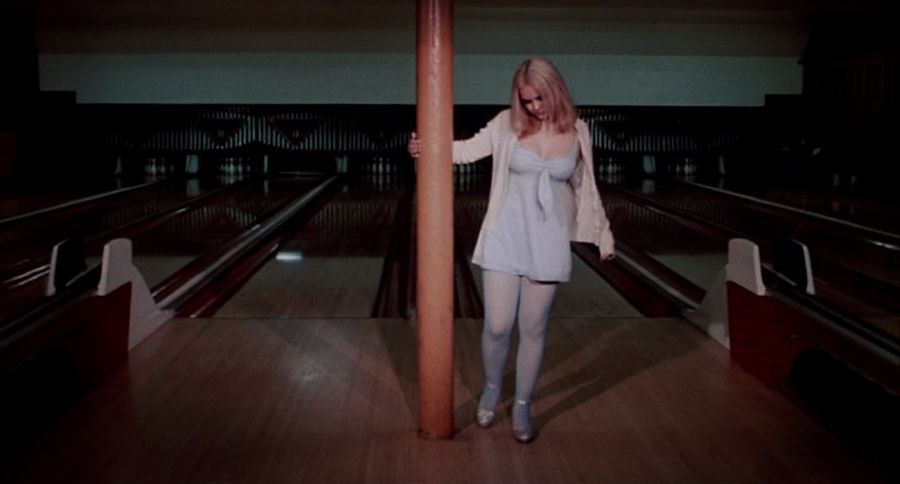
Palette: #937B7D #453B3A #040001
Camera move: Slow crane down from a high wide to eye level.
Hard overhead pool of light on a figure in a pale white outfit inside a dark interior, every edge of the room falling away to black, dense reversal-stock blacks, chalky skin, slow crane down.
14. Institutional fluorescents — Sicario (2015), DP Roger Deakins
Bare fluorescent panels in a yellow-green room. Even, institutional, no modelling on the faces whatsoever. A few men and their small shadows in an empty space. The grade pushes toward nicotine — flat, airless, graded to feel like a smell rather than a look. Dread comes free with this one, which makes it useful for anything that needs to feel bureaucratic, clinical or quietly wrong.
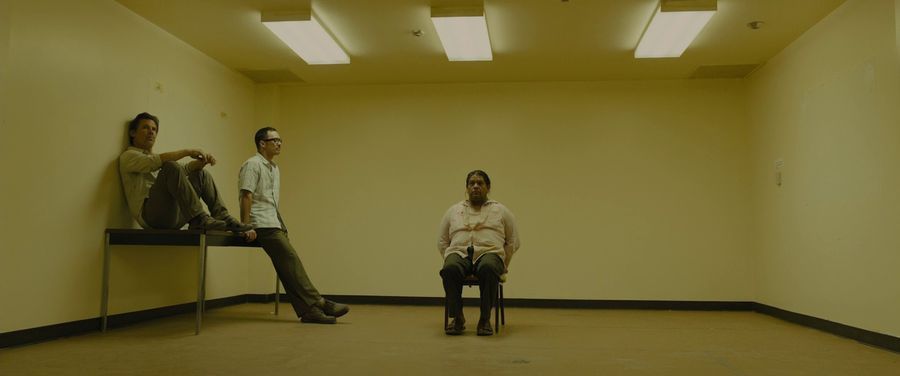
Palette: #857C45 #645515 #29240E
Camera move: Static wide, symmetrical, subject centred.
Bare overhead fluorescent panels in an empty yellow-green institutional room, completely even light with no facial modelling, sparse figures, flat airless nicotine grade, symmetrical static wide.
15. Showcase macro — Uncut Gems (2019), DP Darius Khondji
Jewellery-counter lighting: dozens of tiny hard speculars hitting pavé stones and polished gold from every direction, so the object sparkles with no single visible source. Icy whites against warm gold, depth of field roughly a millimetre. If you sell a physical product, this is your frame — no model, no hand, no lifestyle context, the object carrying the whole story.
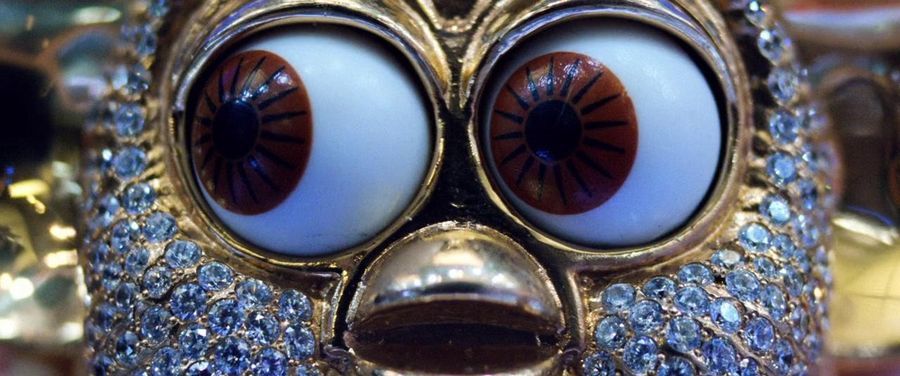
Palette: #ACBCC8 #777B87 #33282A
Camera move: Macro slider push, or a slow turntable rotation.
Extreme macro on a single object under jewellery showcase lighting, hundreds of tiny hard point speculars from every direction, no visible source, icy white highlights against warm gold, one-millimetre depth of field, slow macro slider push.
16. The bulb grid — The Neon Demon (2016), DP Natasha Braier
A wall of bare bulbs as the backdrop and makeup-mirror bulbs as the key, so the subject sits between two grids of tungsten points. The lighting hardware is the set — you are supposed to see the rig. Chrome-cold glamour, bulbs held as distinct discs rather than blown out, skin like porcelain.
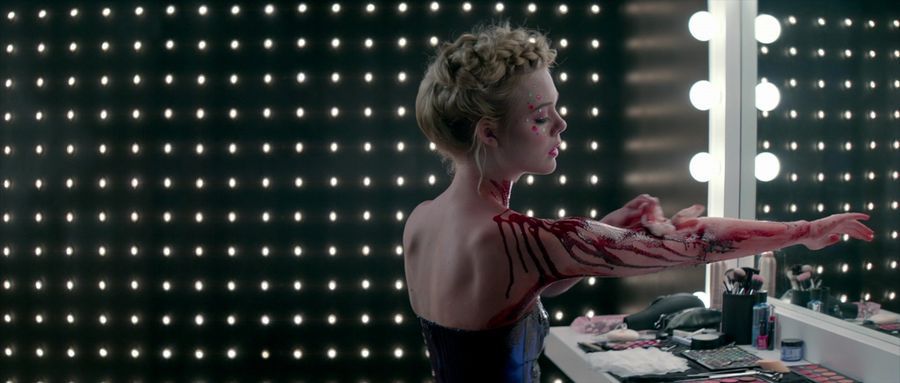
Palette: #AEB0AD #66605F #040F0D
Camera move: Slow push-in on the mirror reflection, not on the subject.
Subject backed by a full grid of bare practical bulbs and keyed by makeup mirror lights, lighting hardware visible as the set, bulbs rendered as distinct glowing discs, porcelain skin, chrome-cold glamour grade, slow push-in.
17. Let the building light the night — Moonlight (2016), DP James Laxton
Porch fluorescents and a sodium street lamp lighting an apartment block from two angles. Warm pools on the walkway, teal-painted doors holding the cool side. The subject walks into the light with his back to camera. No movie lights anywhere — the location lights itself, which is also the cheapest instruction you can give a model.
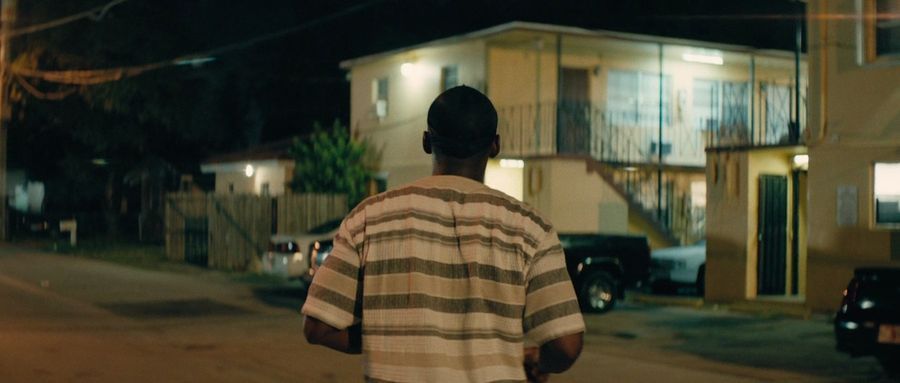
Palette: #BEC5AF #827450 #081010
Camera move: Tracking shot from behind, following the subject into the pool of light.
Night exterior lit only by the building's own porch fluorescents and one sodium street lamp, warm pools on the walkway against teal painted doors, subject walking away from camera into the light, blacks kept open, tracking from behind.
18. Fog plus two sources — Drive (2011), DP Newton Thomas Sigel
Fog night with two colour systems crossing through it — a sodium lamp burning orange high on the left, white headlights punching low from the right. The fog turns both beams into solid volumes you could walk into. Halation everywhere it should be. Light becomes geometry, which is the easiest thing to describe and the hardest thing to shoot for real.
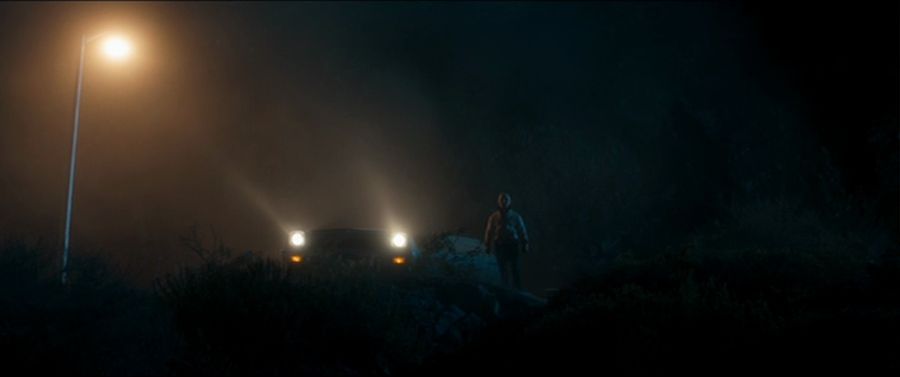
Palette: #BE9C77 #584331 #051113
Camera move: Slow arc, so the beams sweep across the lens as the camera travels.
Heavy fog night with two crossing light sources, orange sodium lamp high left and white headlights low right, beams rendered as visible volumes in the haze, orange and white against grey-blue murk, strong halation, slow arc.
19. Walk past lit shopfronts — Good Time (2017), DP Sean Price Williams
Shop-sign light only. Neon and storefront fluorescents throwing red, green and cyan slabs across a wet street while the subject walks through them. No movie lights at all. Long lens, so the neon smears and the grain sits heavy — correctly heavy. Each sign recolours the subject as they pass, and that is the entire shot.
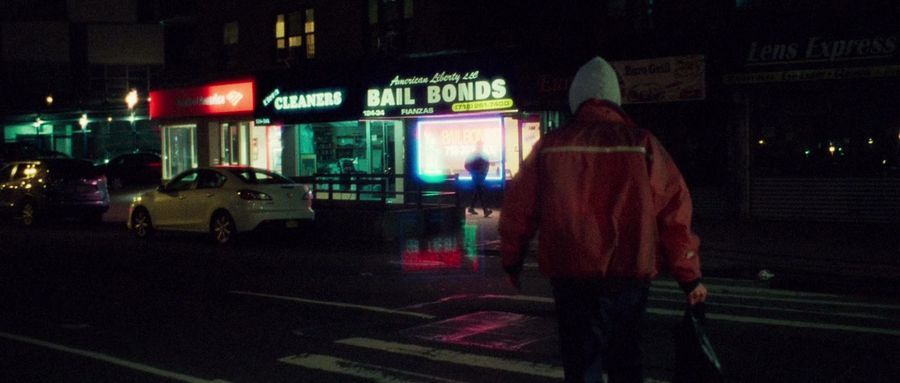
Palette: #C2C1AC #445145 #050209
Camera move: Long-lens tracking, camera parallel to the subject's walk.
Night street, subject walking past lit shopfronts, no movie lighting at all, red green and cyan sign light recolouring them as they pass, wet reflective pavement, long lens compression, heavy grain, parallel tracking shot.
20. Two colour temperatures, no correction — Paris, Texas (1984), DP Robby Müller
A green fluorescent ICE box glowing against a burnt-orange sunset sky. One tube overhead keys the subject cyan while the horizon handles the warm half. Complementary colour found on a forecourt rather than gelled in. Both temperatures left completely honest, and the frame is better for it.
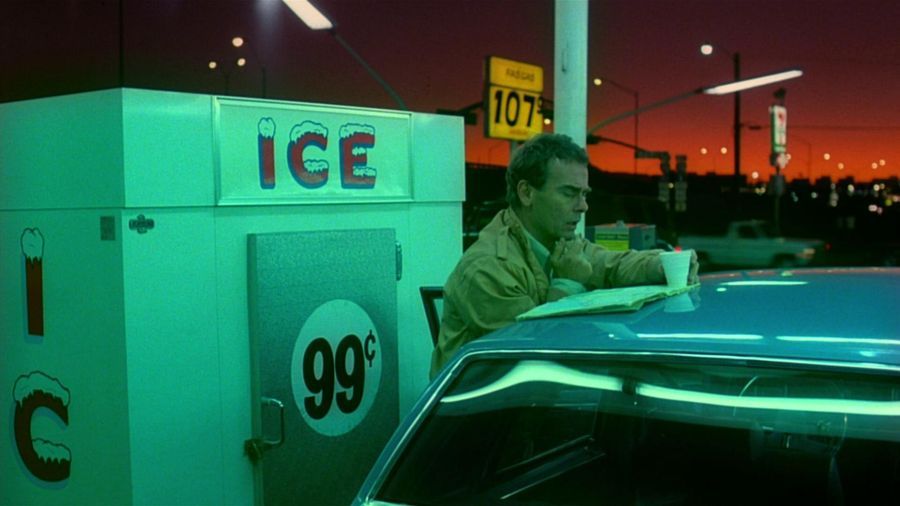
Palette: #38C197 #127E62 #853B19
Camera move: Static, or a very slow pedestal down to bring the sky in behind the machine.
One green fluorescent vending machine glowing at dusk against a burnt-orange sunset sky, subject keyed cyan by the overhead tube, two uncorrected colour temperatures, neon realism, no filtration, static frame.
The decode prompt for every other frame
For any frame that is not on this list, get the AI to do the reading for you. Attach the image in Claude or ChatGPT and paste this:
Act as a cinematographer and reverse-engineer this frame.

1. LIGHT — key direction, hard or soft, approximate contrast ratio, which sources are practical, time of day.
2. LENS — focal length, camera distance, camera height, any tilt.
3. GRADE — three hex values sampled from the actual pixels, contrast curve, which film stock it resembles.
4. COMPOSITION — framing rule, negative space, where the subject sits and why.
5. TEXTURE — grain, halation, diffusion, visible imperfections.
6. MOVE — the single camera movement that suits this frame, named.

Then write ONE image prompt and ONE video prompt that rebuild this exact aesthetic around a new subject: [YOUR SUBJECT]. Keep every light, lens, grade and texture decision identical. Change nothing but the subject.
Run it, then cross-check the camera move against the Mograph Encyclopedia so you are using the correct name. Models respond to "dolly zoom" and "crane down". They do not respond to "make it feel epic".
What this will not fix
Worth being honest about the limits, because most posts on this topic are not.
Faces still break. Keeping one character consistent across ten shots is still unreliable without a locked reference workflow, and even then it drifts. Silhouettes, backs of heads and hands kept out of frame are still your friends — which is exactly why so many of the frames above are silhouettes.
Complex moves still collapse. One move per shot, three to five seconds, then cut. Any AI film that looks good is short shots edited together, not one long take.
Text still fails. Do not ask the model for signage, packaging copy or logos. Composite them afterwards in After Effects or Canva.
A great frame is not a great ad. The campaigns people compare their AI work to succeed because someone wrote a line worth watching thirty seconds for. Lighting is craft. The idea is still the job. If the script is weak, all you have built is an expensive screensaver.
What the decode does get you is the move from "why does mine look like stock footage" to "why does mine look like a film". Everything after that is still writing.
Quick summary · key points
- ✓Three free sites that do most of the work
- ✓1. Directors' Library
- ✓2. Film Grab
- ✓3. Mograph Encyclopedia
- ✓The four things you actually have to specify
- ✓How to run this on a live brief